Jak nie dać się dezinformacji

Jak nie dać się dezinformacji

Jak nie dać się dezinformacji

Jak nie dać się dezinformacji

Dla każdego, kto korzysta z nowych technologii

Jak nie dać się dezinformacji

Fake newsy, klonowany głos, fałszywi eksperci

Poradnik dla uczniów, nauczycieli i rodziców. Skąd biorą się fake newsy, dlaczego im wierzymy i jak rozpoznać deepfake.

Na podstawie wystąpień ekspertek NASK i Uniwersytetu Civitas
Aktualizacja: październik 2026 r. · 8 min czytania
Wstęp

Fake news to celowo sfabrykowana wiadomość, która udaje prawdziwego newsa. Ma wywołać emocje i konkretną reakcję, często komuś przynosi też zysk.

To nie jest nowe zjawisko. Sensacyjne nagłówki działały już w prasie lat 20. XX wieku. Nowe jest tempo: w mediach społecznościowych fałszywe doniesienia rozchodzą się szybciej niż prawda. Dziś dochodzi do tego klonowany głos i fałszywi eksperci wygenerowani przez sztuczną inteligencję.

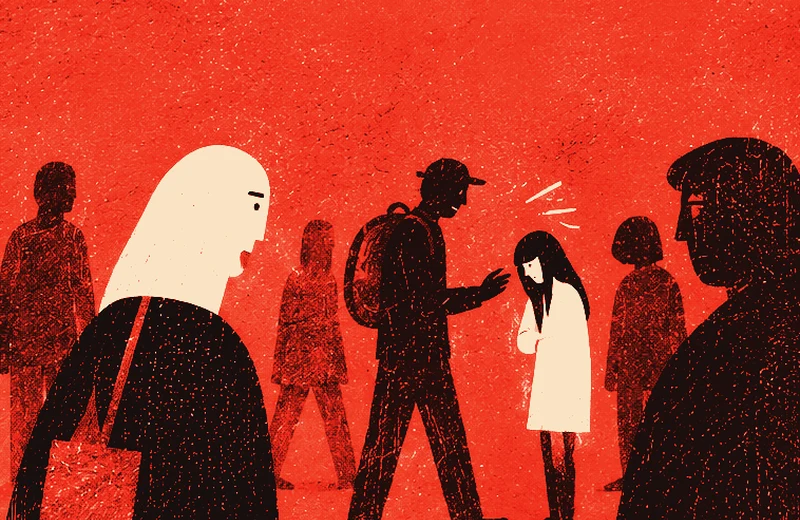
W dłuższej perspektywie dezinformacja prowadzi do znieczulicy społecznej, czyli stopniowej utraty wrażliwości na cierpienie i potrzeby innych. Dlatego najważniejsza zasada brzmi: sprawdź, zanim ocenisz albo udostępnisz.

Najważniejsze w skrócie

  • Zanim udostępnisz, zatrzymaj się. Silne emocje to sygnał ostrzegawczy.
  • Sprawdź źródło, datę i to, czy informację podają inne wiarygodne media.
  • Telefon od bliskiej osoby z prośbą o pieniądze? Rozłącz się i oddzwoń na znany Ci numer.
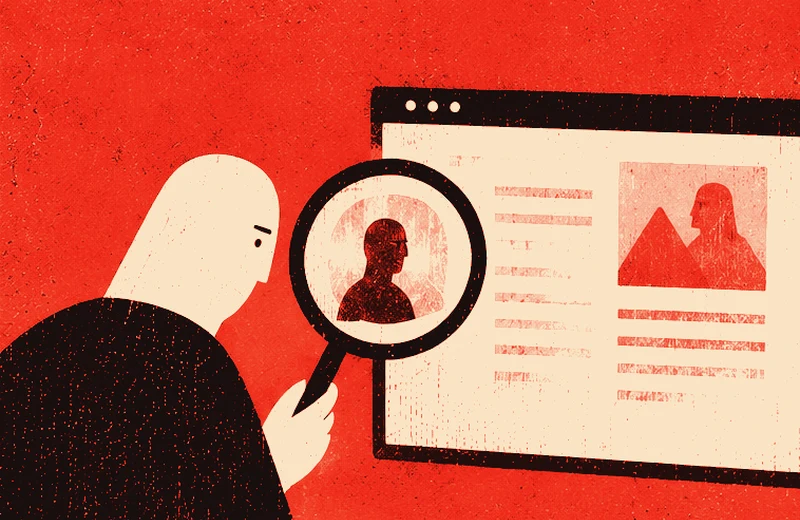
  • Ekspert z internetu? Sprawdź, czy istnieje poza jednym profilem.
  • Dezinformację zgłosisz na zglos-dezinformacje.nask.pl.

Przeczytaj cały poradnik

Czytaj online w przeglądarce albo pobierz PDF, żeby wrócić do niego później lub go wydrukować.

Zanim klikniesz „udostępnij”

Sprawdź w 30 sekund

Zaznacz każde pytanie, na które znasz odpowiedź. Jeśli któreś zostaje puste, lepiej poczekać z udostępnieniem.

Autorki

Poradnik opracowała Fundacja STOP Znieczulicy na podstawie wystąpień ekspertek NASK i Uniwersytetu Civitas z 16 września 2026 r.

Dominika Nowakowska-Grelaspecjalistka ds. wsparcia analiz, Ośrodek Analizy Dezinformacji NASK
Alicja Martinekekspertka ds. sztucznej inteligencji, NASK
Patrycja Krzyśpiakstarsza analityczka, Ośrodek Analizy Dezinformacji NASK
dr Paulina PiaseckaDyrektorka Centrum Badań nad Terroryzmem, Uniwersytet Civitas

Najczęstsze pytania

Jak rozpoznać sklonowany głos?

Zwróć uwagę na nienaturalne pauzy, płaski ton i presję czasu. Najpewniejszy sposób: rozłącz się i oddzwoń na numer, który znasz. Więcej w rozdziale „Deepfake i klonowanie głosu”.

Gdzie zgłosić fałszywą informację?

Na zglos-dezinformacje.nask.pl oraz w serwisie, w którym ją widzisz.

Jak rozmawiać z bliskimi, którzy wierzą w fake newsy?

Bez ośmieszania. Zadawaj pytania zamiast wygłaszać wykład i pokaż, jak samodzielnie sprawdzić źródło.

Jak chronić nastolatki przed fałszywymi ekspertami?

Rozmawiaj o tym, kogo obserwują, i sprawdzajcie razem, czy dana osoba istnieje poza jednym profilem. Więcej w rozdziale o AI influencerach.

Chcesz przećwiczyć reagowanie z zespołem lub klasą?

Prowadzimy szkolenia dla firm i warsztaty dla szkół w ramach programu Widzę · Czuję · Reaguję.

Inne poradniki

Become our Partner

Partner application form
The controller of personal data is Fundacja STOP Znieczulicy with its registered office in Warsaw, Al. Jana Pawła II 27, 00-867 Warsaw. Data provided in the form will be processed to handle the partner application for the STOP Znieczulicy Campaign – Log Out of Indifference, to contact you regarding the terms of participation and to carry out the partnership. The legal basis for processing is consent and the controller’s legitimate interest. Data will not be shared with third parties unless necessary to carry out the cooperation or required by law. You have the right to access, rectify, erase or restrict the processing of your data, object to processing, data portability, withdraw consent and lodge a complaint with the President of the Personal Data Protection Office.

Join our team

Volunteer / expert application form

Share your story

Taking part is entirely voluntary — you can submit your story anonymously.
If you choose to provide personal data, you have all rights granted under the GDPR, including the right to withdraw your consent and request deletion of your story at any time.
Please remember — all published stories are anonymous.

⚠️ DO NOT include in your story:
* the full names of other people (perpetrators, witnesses or people experiencing violence),
* information that could identify other people (school name + class + date = identification),
* sensitive data about other people (health information, sexual orientation or criminal convictions).

If your story concerns a minor, change any details that could identify them. The Foundation’s editorial team may edit or reject a story that breaches the above rules.

Share Your Story Form

⚠️ If you are under 18:

You can submit your story anonymously without any additional consent.

The Foundation does not knowingly process personal data of children under the age of 16 without the consent of a parent or legal guardian (Art. 8 GDPR).

Full information on personal data processing (Art. 13 GDPR)

1. Controller
Fundacja STOP Znieczulicy, Al. Jana Pawła II 27, 00-867 Warsaw, represented by Agnieszka Wolska. Contact: fundacja@stop-znieczulicy.pl.

2. Purpose and legal basis for processing

  • Moderation and archiving of stories — Art. 6(1)(a) GDPR (consent).
  • Publication on campaign platforms — Art. 6(1)(a) GDPR (separate consent).
  • If a story contains health data or other special categories of personal data (Art. 9 GDPR), it is processed solely on the basis of explicit consent (Art. 9(2)(a) GDPR).

3. Retention period

  • Unpublished stories: deleted after the campaign ends (31 December 2026) or earlier at the request of the person who submitted the story.
  • Published stories: retained for the duration of the campaign. They may be deleted or anonymised on request — please send your request to fundacja@stop-znieczulicy.pl.

4. Your rights
You have the right to access, rectify and erase your data, restrict processing, object to processing and withdraw your consent at any time (without affecting the lawfulness of processing carried out before withdrawal). You may also lodge a complaint with the President of the Personal Data Protection Office (uodo.gov.pl).

5. Withdrawal of consent / deletion of a story
To withdraw your consent or request deletion of your story, email fundacja@stop-znieczulicy.pl with the subject line: “Withdrawal of consent — story”. We will process your request within 14 working days. If the story has been published, we will inform you about the possibilities and limitations resulting from its sharing with third parties.

Practical guidance:
How to respond?

Responding to violence requires judgement and attention to safety. The guidance below will help you act effectively without putting yourself at risk.

Distract the aggressor

Direct confrontation can be dangerous. Instead, try to distract the aggressor — for example by loudly asking for directions, pretending to be lost or mentioning that the police are on their way.

Call for help

Call the emergency number 112 or 986. Describe the situation and location precisely. If you cannot make the call, ask someone else to do it or use an emergency app.

Offer support afterwards

Even if you were unable to intervene during the incident, approach the person afterwards. Ask whether they need help, offer support and help them contact the emergency services.

Keep yourself safe

Your safety comes first. Respond in a way that does not put you at risk. Calling for help from a safe distance may be more effective than direct intervention.

Remember the details

Try to remember what the aggressor looked like — their clothing, height and distinctive features — and which direction they went. This may help the authorities identify them more quickly.

Where to get help

Intervention helpline for people facing a difficult life situation

(including people experiencing suicidal thoughts)

ul. 6-go Sierpnia 1/5 02-843, Warszawa (Ursynów-Pyry)

24 hours a day, 7 days a week

514 202 619

22 855 44 32

sekretariat@woik.waw.pl

Helpline for adults experiencing a suicidal crisis

511 200 200

available 24 hours a day, 7 days a week

staffed by psychologists, therapists and social workers

Crisis Helpline — psychological support

Available 24/7.

116 123

www.116sos.pl

staffed by psychologists, therapists and social workers

Helpline for children and young people

116 111

A free helpline providing support in difficult situations.

Available 24/7.

www.116111.pl

Women’s Rights Centre

Legal assistance — every Thursday from 4:00 pm to 9:00 pm at: 800 107 777 or by email at: porady.prawne@cpk.org.pl www.cpk.org.pl/pomoc/pomoc-prawna/ 24-hour intervention helpline for women experiencing violence. 600 070 717

National Emergency Service for Victims of Domestic Violence (IPZ PTP)

22 668 70 00

The counselling service is available 7 days a week from 12:00 pm to 6:00 pm.

Support Centre for Adults in Mental Health Crisis

Telephone Support Centre 800 70 2222 the helpline is free of charge

psychological support 24 hours a day, 7 days a week

porady@centrumwsparcia.pl

www.centrumwsparcia.pl

Children’s Helpline of the Ombudsman for Children

800 12 12 12

Free 24-hour intervention line for children and young people.

The helpline and online chat are available 24 hours a day, seven days a week. The chat is available on the Ombudsman for Children helpline website.

Crisis Helpline — psychological support

116 123

Available 24/7.

Zapytaj o szkolenie

Opowiedz nam krótko o swojej organizacji i potrzebach. Odezwiemy się w ciągu kilku dni roboczych z propozycją programu i terminu.

Zapytanie o szkolenie
Zgłaszasz klasy na warsztaty Widzę · Czuję · Reaguję? Mają one osobny formularz: przejdź do zgłoszenia szkoły. Jeśli pytasz o szkolenie dla nauczycieli lub rodziców, wypełnij formularz poniżej.
The controller of personal data is Fundacja STOP Znieczulicy z siedzibą w Warszawie, Al. Jana Pawła II 27, 00-867 Warszawa. Dane podane w formularzu będą przetwarzane w celu odpowiedzi na zapytanie o szkolenie, przygotowania oferty i kontaktu w tej sprawie. Podstawą przetwarzania danych jest wyrażona zgoda oraz prawnie uzasadniony interes administratora. Dane nie będą udostępniane podmiotom trzecim, chyba że będzie to niezbędne do realizacji współpracy lub wymagane przepisami prawa. Przysługuje Ci prawo dostępu do danych, ich sprostowania, usunięcia, ograniczenia przetwarzania, sprzeciwu, przenoszenia danych, cofnięcia zgody oraz wniesienia skargi do Prezesa UODO.